AGP Executive Report
Last update: 2 days agoIn the past 12 hours, coverage tied Saudi tourism and travel readiness closely to Hajj operations and regional mobility. Saudi Arabia’s SDAIA is scaling up digital processing for Hajj travel via the Makkah Route Initiative lounge at Brunei International Airport, using data verification, biometric capture, and electronic issuance of Haj permits to reduce waiting times and speed departures. At the same time, Saudi authorities are enforcing Hajj rules more tightly—reporting arrests of residents in Makkah for violating Hajj regulations and highlighting Malaysia’s reminder that performing Hajj without a visa is “sinful” and can lead to fines up to 100,000 Saudi riyals and other penalties. Separately, Saudi Arabia is also tightening operational oversight ahead of Hajj 2026 through faster traveller processing, biometric systems, digital permits, and stronger crowd management and permit enforcement.
Diplomatic and mobility developments also featured prominently, which can indirectly support tourism flows. Saudi Arabia and Türkiye signed a reciprocal visa exemption agreement for holders of diplomatic and special passports, following talks in Ankara that also covered regional issues including Gaza and cooperation across areas such as trade, energy, defense, education, culture, tourism, and transportation. In parallel, Saudi Arabia’s Hajj-related messaging abroad continued through government and community channels, including a report of Nigeria’s Kwara State flagging off the first batch of 374 pilgrims and urging them to comply with Saudi laws and act as ambassadors.
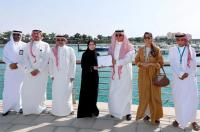
Tourism governance and destination sustainability were another key theme in the most recent reporting. Saudi Arabia’s Red Sea Authority and the Royal Commission for AlUla signed an MoU on sustainable tourism governance, aiming to strengthen institutional integration for environmental protection and sustainable tourism development, including ecosystem protection, wildlife safeguarding, and knowledge/data exchange to improve visitor experience and implementation efficiency.
Looking slightly further back (supporting continuity), the same Hajj compliance and digitalization direction continues, alongside broader regional travel disruption pressures. Earlier items in the week included Saudi moves toward digital Hajj systems (including Masar Nusuk-related digital permits and screening) and ongoing emphasis on rules, hotlines, and operator readiness. However, the evidence in the last 12 hours is more specific and operational (digital permit issuance, arrests for permit violations, and visa enforcement messaging), while older coverage provides the broader context that these measures are part of a sustained push to manage pilgrim flows and reduce friction under heightened regional uncertainty.
Note: AI-generated summary based on news headlines, with neutral sources weighted more heavily to reduce bias.